
Norwegian Whaling History
Norwegian whaling history connects coastal communities with a much wider industrial story. Ships, equipment, labor, and trade created livelihoods, while increasingly effective hunting placed severe pressure on whale populations. Both sides belong in an account of the industry.
Changes in the 1860s
Svend Foyn helped establish modern whaling through the combination of purpose-built steam catchers and a practical explosive-harpoon system in Finnmark during the 1860s. These developments made it possible to pursue large, fast-moving whales that earlier methods had struggled to catch.
By 1886, approximately twenty companies and thirty-five whaling vessels were active in the Finnmark industry. The scale of the operation also depended on people ashore and at sea, not simply on the invention of one piece of machinery.
Expansion and consequences
Heavy exploitation contributed to declining returns. Whales in northern Norway were protected in 1904, after conflict over the effects of the industry. Meanwhile, Norwegian whaling activity expanded to other seas and continents from the late nineteenth century onward.
These changes should be followed place by place. The end of a particular expedition or hunting ground does not mean that all forms of Norwegian whaling ended at the same time.
Historical subjects in our designs
The related clocks depict vessels, equipment, and people associated with this maritime history. They offer different points of entry into a complex subject: the ship as a workplace, the gunner’s role, and the machinery of an industrial fleet. Viewing them together can prompt questions about both the communities involved and the animals affected.
Explore related clocks
-
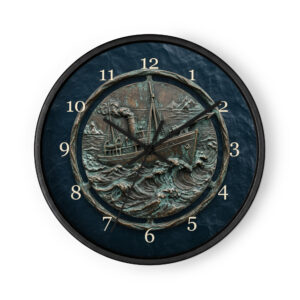
Norwegian Steam Whaling Ship
$54.99 Select options This product has multiple variants. The options may be chosen on the product page -
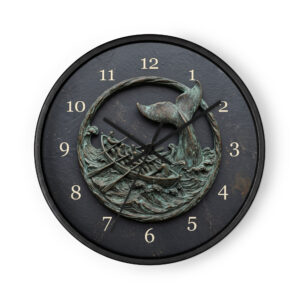
Norwegian Whaling Boat
$54.99 Select options This product has multiple variants. The options may be chosen on the product page -
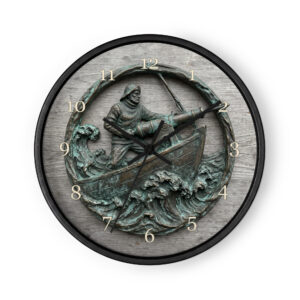
Norwegian Whaling Gunner
$54.99 Select options This product has multiple variants. The options may be chosen on the product page -
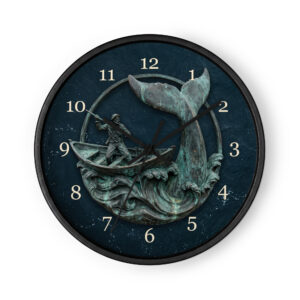
Norwegian Whaling History
$54.99 Select options This product has multiple variants. The options may be chosen on the product page